





The Rise of the Professional Midlife Crisis
As retirement ages rise and workplace demands evolve, mid-career professionals are facing a unique combination of burnout, technological disruption and leadership pressure. For organisations looking to retain their most experienced talent, supporting career reinvention has never been more important.
For the past few years, the workforce conversation has been dominated by one generation. Headlines have focused on Gen Z entering a difficult labour market, navigating economic uncertainty and junior and entry-level roles being replaced by AI.
But there is another workforce challenge quietly emerging. What about the millennials and older professionals entering midlife?
Many are now moving into senior leadership positions while simultaneously facing unprecedented levels of stress, burnout, technological disruption, financial pressure, and questions about purpose. With Think Tanks predicting the age of retirement to hit 70 by 2045, increasingly, these mid-lifers are asking themselves the question: “Do I want to keep doing this for the next 20-30 years?”
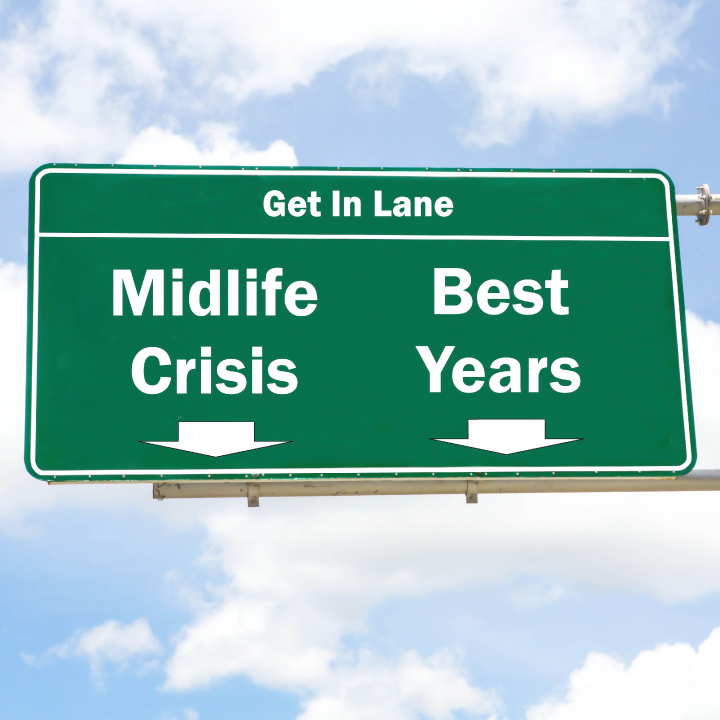
The result is a growing trend towards career reinvention, midlife transitions, and what some commentators are calling the “professional midlife crisis”. For employers, this presents both a significant risk and a major opportunity.
Historically, careers followed a relatively predictable path. Employees gained experience, progressed into management, and remained on a stable trajectory until retirement.
Today’s mid-career professionals are operating in an environment defined by constant change. Technological advances, economic uncertainty, changes in ways of working and evolving leadership demands, mean that workers are constantly having to adapt while still having to take on the traditional responsibilities of senior professionals.
At the same time, many are balancing caring responsibilities, financial commitments and changing personal priorities.
It’s little wonder that many begin to question whether their current career path remains sustainable.
The term “midlife crisis” has traditionally conjured up images of sports cars and dramatic lifestyle changes. Today’s version is far more likely to involve LinkedIn profiles, training courses and career changes.
For some, the trigger is burnout. For others, it is the realisation that technology is reshaping their profession faster than they anticipated. Many discover that the job role they entered into twenty years ago no longer requires the same skill, carries the same standing or delivers the same financial reward it once did due to technological advancement.
The irony is, that it is exactly the skills that these mid-lifers possess that are the most valuable in a time of technological transformation.
Mid-career professionals often represent:
- Deep institutional knowledge
- Strong customer relationships
- Significant technical expertise
- Leadership potential
- Mentoring capability
- Organisational stability
Yet development investment often declines once employees reach management level. Many organisations invest heavily in graduate schemes and emerging leaders while assuming experienced employees know everything they need to know and can simply “keep up” with change.
As skills requirements evolve and career expectations shift, organisations that fail to support mid-career employees may face rising disengagement, burnout and resignation among some of their most experienced people.
Organisations that want to keep their midlife employees need to create opportunities for reinvention. This means moving beyond traditional promotion pathways and supporting employees to explore new directions.
Training and development programmes in areas that will be most beneficial in the future have the potential to breathe positivity and a new-found motivation into these employees.
Some areas to consider include:
Leadership Development for the Next Stage
New managers need operational leadership skills. Experienced leaders often need support with strategic thinking, influencing, resilience, organisational change and leading through uncertainty.
Advanced leadership programmes can help experienced professionals navigate transitions with confidence.
AI and Digital Confidence Training
Many mid-career employees have not been given sufficient time, training or support to integrate new tools into their work. Unlike the younger generation, they are not ‘digital natives’ so understanding may not come as naturally.
Providing practical AI literacy programmes, digital upskilling opportunities and hands-on learning can improve productivity and confidence and reduce anxiety around evolving technology.
Internal Career Moves
Not every career progression requires promotion.
Cross-functional projects, secondments, mentoring opportunities and internal career moves can help employees refresh their skills and rediscover engagement without leaving the organisation.
Wellbeing and Burnout Prevention
Research consistently shows that sustained workplace stress affects performance, engagement and retention.
Organisations that proactively address workload management, support regular check-ins with Team Leaders, and make staff wellbeing a priority are more likely to retain experienced talent over the long term.
Much of the conversation about the future of work focuses on the next generation entering employment and that focus is obviously important.
But organisations also need to consider the professionals who may have another 20 to 30 years of working life ahead of them.
These employees are not approaching the end of their careers. In many cases, they are entering their most valuable and influential years. It is therefore key to organisational success that employers recognise the potential of their existing workforce and invest in helping people reinvent themselves throughout their careers.