





The SkillGate Approach to AI
Learn about our practical approach to implementing AI for effective training.
Introduction
There is no doubt that AI hugely improves our ability to train staff. However, judging by the training press, there is a lot of confusion about how to use it.
At SkillGate, we have been working on robust learning models for many years. This document outlines our practical approach to implementing AI for training.
SkillGate’s approach to AI in training – 2026
There is a difference between using AI for intelligent search and using AI for training.
We appreciate that search can be very powerful for Users who know the question to ask. We believe training is largely about teaching people things ‘they don’t know they don’t know’. i.e. giving them the answers before they need to know. In 2026 we focus our AI applications on improving ‘training’.
This document outlines the current AI systems available now in the SkillGate LMS v12.
We will continue to work to integrate AI more and look forward to receiving feedback on how this will be made to work by our customers in the future.
The SkillGate Skills Model (SSM)
At its heart, SkillGate uses a unique multi-dimensional skills model (SSM). All features of the system integrate with the model and support what we call the Standard Training Model. It means we can offer a consistent way of delivering and interpreting all learning activity on the system.
The SSM is designed to be customisable to meet individual organisational requirements.
The Standard Training Model & AI
We believe the Standard Training Model focusses on three elements:
1. Relevance – what needs to be taught?
2. Rendition – how best to deliver this change in knowledge or skill?
3. Reward – what is in it for the delegate?
AI supports and detracts from the Standard Training Model as follows:
Relevance
• It can substantially increase the speed at which relevant content can be rendered or delivered.
• But it cannot easily decide what the delegate does not know.
Rendition
• It can individualise rendition or delivery techniques.
Reward
• It can offer a ‘sugar rush’ reward by providing answers to individual questions
• But individualisation makes it harder to evaluate or assess learning gained. Reward becomes an individual assessment rather than the organisation’s.
AI adds two new key variables: the 2 Vs
Validation. Does the course do what is required? Is it accurate? Is it credible?
In traditional systems, courses were prepared and validated by SMEs. With AI content the sources are unclear – they require additional validation.
Verification. Has the delegate actually learnt what was intended?
In traditional systems, success is testable, typically via completion or certification. In a new individualised, flexible world of AI, verification is not so simple. We believe more robust systems of assessment are required. An end of eLearning quiz is valueless if an AI agent can take the test for you. Remember rewards are based on verification.
We see the traditional Standard Training Model like this:
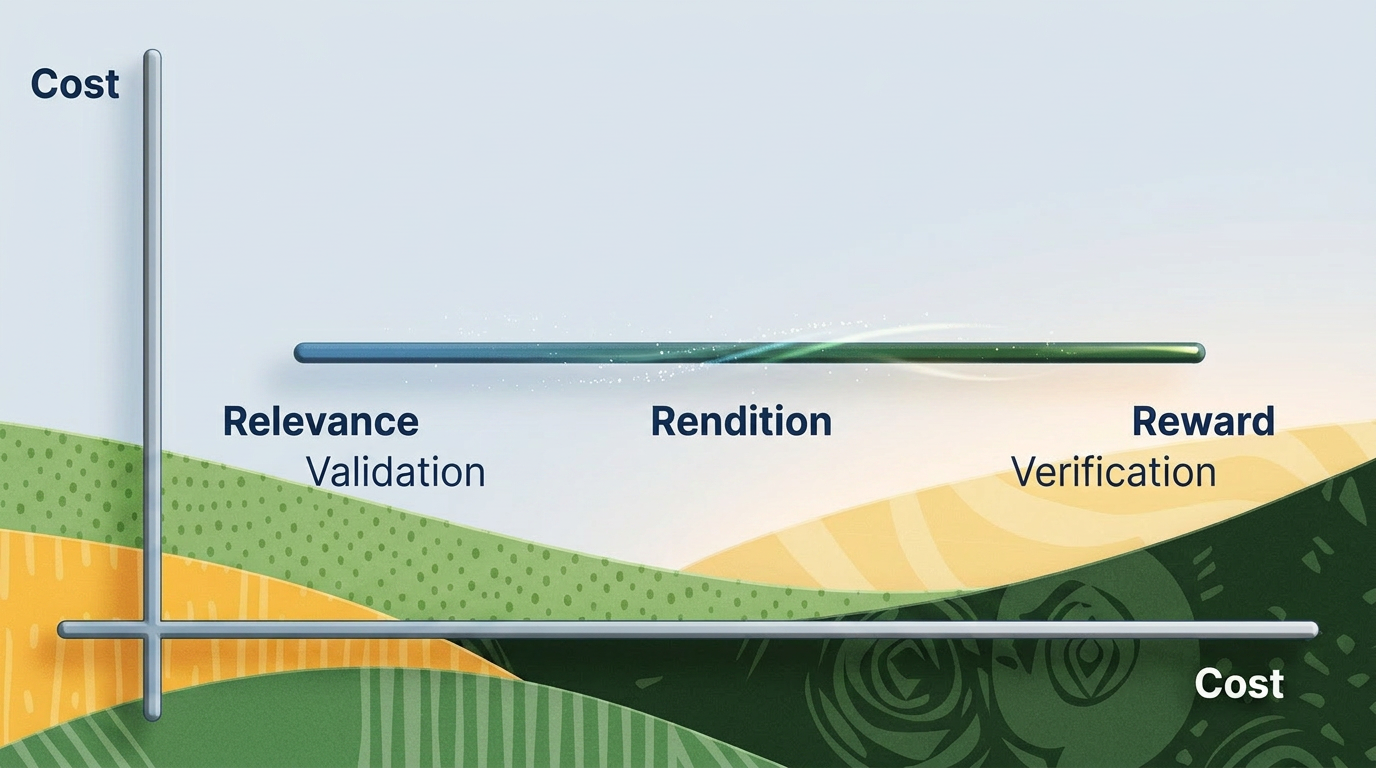
Creating courses including Relevance, Rendition and Reward costs a given amount. Validation is typically included by default as the course creator who will be some kind of Subject Matter Expert. Verification is included in the course rendition process (e.g. a test).
The AI model looks different:
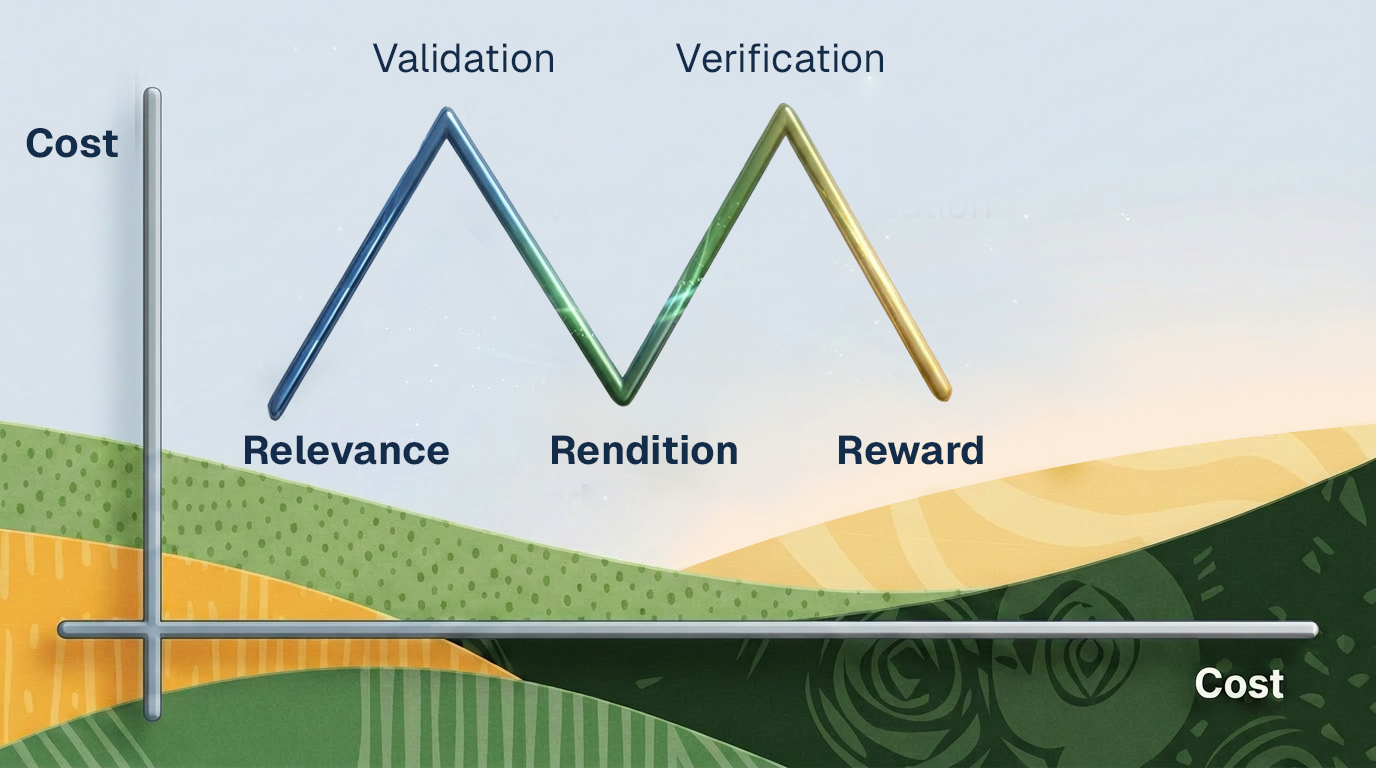
AI speeds up the process to market and thus reduces traditional costs. But it also introduces extra costs for validation and verification.
Learning delivered by AI needs to be validated. This cannot be done by the AI author itself. There is no just reward without verification. Traditional testing becomes worthless (especially if the individual can use AI to complete the learning). Individualised learning will require more robust verification by assessment.
SkillGate – Practical Solutions
SkillGate takes advantage of using AI within its LMS environment by offering three new systems designed to optimise your use of AI, and modification of existing systems to take advantage of the new environment.
Mandatory training – Traffic Light
• Relevance – determined at a corporate level. The AI Programme Generator allows SMEs to create new courses fast.
• Validation – SMEs
• Rendition – Tutorials with updates delivered via SmartPrompts
• Verification– traditional testing or completion
• Reward – compliance
Job specific training – CoachAssess
• Relevance – knowledge or skills typically determined at a departmental or Team Leader level.
• Validation – SME Coach
• Rendition – Use AI Refresher to create lessons from existing documentation with delivery via CoachAssess.
• Verification– Team Leader or Coach based assessment
• Reward – compliance
Personal development – Individual Learning Plans
• Relevance – typically determined at an individual or Team Leader level via manual input (e.g. Profile, ADR or SkillsAudit) and automated (e.g. activity) profiling. AI Sensitivity Analysis leading to Skills Identification inputs to the SSM to determine relevance.
• Validation – SkilGate content or Third party SME validated tutorials
• Rendition – AI driven Dashboard Library and SmartPrompts
• Verification– skills assessment – SuccessTargets
• Reward – certification and/or promotion
The three new AI systems are summarised as:
1. AI Programme Author – allows Authors to create new Tutorials from scratch and edit and modify them using SmartAuthor.
2. AI Refresher – allows Team Leaders or Coaches to create new bites (or scrolling bites series) from their existing documentation (and edit/modify them) and deliver to Users in under time control.
3. AI Sensitivity Analysis – allows text to be evaluated and added to the SkillGate Skills Model to ensure training delivered is relevant.
Some other unique features supporting AI in the SkillGate environment
1. All training formats integrated into the skills model
Objectives, Appraisals, face to face training, coaching, eLearning, mentoring etc.
2. Effort measurement
CPD, certification and activity are measured and reportable
3. Team Leaders
Performance management tools integrated as standard for team leaders
4. Languages
The LMS is available in 26 languages
5. Automated real-time updating
Changes to validation data advised to past delegates via SmartPrompts
Ethics and Transparency
All SkillGate’s AI features are optional at an LMS level.
SkillGate’s Data Protection Impact Assessments are available on request.
AI Users will be required to undertake specific AI Usage Training and accept some additional legal obligations before being allowed to use AI features.